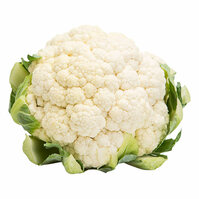
 In the midst of the low-carb, keto craze, cauliflower is a one vegetable that has earned itself quite the reputation for being a versatile, low-carb alternative. And while as a dietitian I do NOT, in any way shape or form endorse the keto, or even a low-carb diet, cauliflower is a nutritious, lower calorie option for those working to incorporate more vegetables into their diet. This little cruciferous wonder is packed with loads of vitamins and minerals such as vitamin K, vitamin C, potassium and manganese. Vitamin K is essential for blood clotting (and essential component of wound healing) and bone maintenance, vitamin C is a potent antioxidant that helps keep our immune system strong, potassium is essential for fluid and electrolyte balance and manganese is known to help regulate metabolism and may have a role in bone formation. It also contains high levels of anthoxanthins, which are flavonoid compounds that support immune health and have antioxidant properties. In addition to it’s nutritional benefits, cauliflower also has a milder taste than many of its darker counterparts, which can be more enjoyable for those who do not enjoy the bitter taste of some vegetables. Because it readily takes on the flavor of most seasonings, and varies in texture depending on how it’s cooked, cauliflower has become one of the most versatile ingredients in modern cooking. Cauliflower “Rice” Probably the most popular of uses. Cauliflower rice provides a nutritious alternative to white rice in things like stir fry, casseroles and vegetarian dishes. If you have a food processor, ricing cauliflower is super easy to make. Simply remove the outer leaves, cut the cauliflower into florets and place them in the food processor. Pulse the processor a few times until you get a fine, rice-like consistency. No food processor? No problem! Simply use a box grater to grate your cauliflower on the thickest setting. Once you have your “rice” simply sauté it in a little oil and add to your favorite dish for a crunchy, nutritious treat! Cauliflower Buffalo Bites Love buffalo wings but don’t want all of the fat and calories? Try cauliflower buffalo bites! Enjoy the same flavors as your favorite wing recipe without the added calories. 1 large head of cauliflower (about 5 cups) 1 cup water 3/4 cup all purpose flour 1 tablespoon garlic powder 1 tablespoon onion powder 1/4 teaspoon salt 1 cup Frank's Red Hot Sauce 1 tablespoon butter, melted
https://www.noracooks.com/vegan-cauliflower-buffalo-wings/ Cauliflower Pizza Crust With low-carb fad diets all the rage, cauliflower pizza crust has become increasingly popular. For the most part, what these recipes lack in carbohydrates they more than make up for in saturated fat. Therefore from a nutrition standpoint it’s really a wash in terms of which is healthier. That said, using cauliflower to make a pizza crust can be a fun and easy way to get more veggies into your diet! 1 medium head of cauliflower (6″ – 7″ wide or 2.5–3 lbs) or 5-6 cups of store bought cauliflower rice 1 egg, large 1 tsp Italian seasoning (dried oregano or basil) 1/8 tsp salt 1/4 tsp ground black pepper 1/2 cup Parmesan or Mozzarella cheese, grated/shredded Cooking spray
https://ifoodreal.com/cauliflower-pizza-crust Cauliflower “Steaks” Trying to follow a vegetarian or vegan diet? Have vegetarian/vegan friends coming over for a barbeque and not sure what to serve them? Look no farther than your fridge. Rather than going for some variety of processed soy product serve them something REAL. Cauliflower steaks can be grilled or baked and offer a delicious meaty texture that is just as satisfying as the real thing. They also marinate well and generally take on the flavor of whatever you add to them, so get creative with the spice rack or simply use the same marinade you are using for the carnivores! https://www.jessicagavin.com/roasted-cauliflower-steaks Korean Fried Cauliflower2 c. all-purpose flour, sifted 1/2 c. cornstarch 1 tsp. baking powder 1 c. ice water 1 egg, beaten Kosher salt Vegetable oil, for frying 1. In a large bowl, whisk together flour, cornstarch, and baking powder. Add ice water, egg, and 1 teaspoon salt, and stir to combine. The batter should be thin. 2. In a large skillet over medium heat, heat about ¼" vegetable oil until oil is shimmering. Toss cauliflower in batter until fully coated. Working in batches, add cauliflower, and cook until golden on all sides, about 4 minutes per side. Drain on paper towels and season with more salt, if necessary. 3. In a medium bowl, whisk together garlic-chili sauce, soy sauce, brown sugar, sesame oil, and ginger. Toss fried cauliflower in sauce. Sprinkle with sesame seeds and green onions and serve https://www.delish.com/cooking/recipe-ideas/recipes/a58295/korean-fried-cauliflower-recipe/ Mashed Cauliflower Another classic alternative to a homestyle favorite. As with cauliflower pizza crust, mashed cauliflower typically contains just as much saturated fat and salt as the original recipe. The difference however is that you are replacing potatoes- a vegetable with very low nutritional value- with cauliflower which has quite a bit more nutritive value. It is also substantially lower in calories than it’s starchy counterpart. To make it, simply replace the boiled potatoes in your standard recipe with steamed cauliflower and blend until smooth. Add some fresh herbs to brighten up the flavor without weighing the dish down with salt!
https://www.tasteofhome.com/recipes/mashed-cauliflower-with-parmesan/
1 Comment
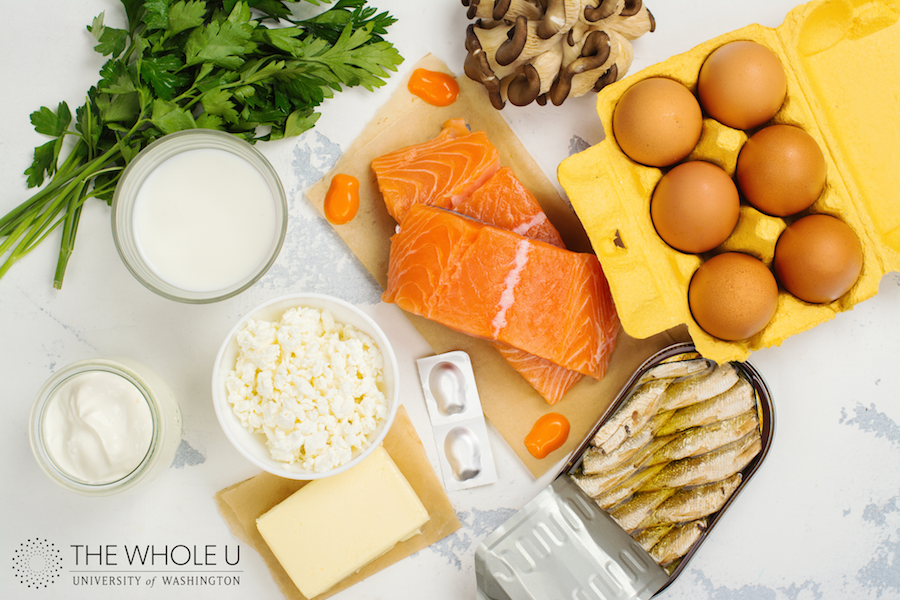 Vitamin D is a fat-soluble vitamin found in meat, fish, eggs, dairy products and legumes. Its role in the maintenance of bone health and regulation of blood calcium levels have been well understood for decades, however new research suggests that it also plays an important role in nervous system function. Studies have shown that adequate vitamin D during pregnancy is essential for proper brain development, and vitamin D deficiency show higher prevalence of mood and nervous system disorders such as schizophrenia and multiple sclerosis. 1 Furthermore the prevalence of vitamin D deficiency is on that rise in the US.2 The reason for this is still not clear, however several theories include decreased exposure to UV rays and decreased consumption of meat and dairy products. The good news is vitamin D is one of the only vitamins our bodies can synthesize all on its own, however this process requires exposure to UVB rays. While the exposure time needed to generate the reaction is fairly small, sedentary lifestyles as well as increased use of protective sunscreens has decreased the amount of vitamin D many of us are producing. Furthermore, the vitamin D that produced in our skin or obtained from our diet is not typically in its most active form. It needs to go through a conversion process in the liver and then the kidneys in order to be most useful to our body.2 As such, health issues that affect the liver and/or kidneys can also impact vitamin D levels. Finally individuals with increased levels of melanin in their skin (darker skin tones) are not able to absorb UVB rays as efficiently and therefore are less capable of producing vitamin D as their fairer-skinned counterparts. How much do I need? The Academy of Nutrition and Dietetics recommends adults obtain 600-800 IU (or 15-20 ug) per day. Between sun exposure and diet most adults are able to achieve this without issue. However several populations are at an increased risk of deficiency. These include post-menopausal women, elderly adults, and children growing up in poverty. Signs of vitamin D deficiency are joint/bone pain, gastrointestinal issues such as diarrhea and bloating, fatigue and muscle twitching. If you observe any of these see your primary care provider to discuss the possibility of a vitamin D deficiency. Should I supplement?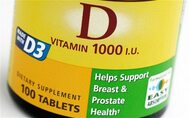 Generally speaking most adults are able to obtain sufficient vitamin D from diet and incidental sun exposure. That said, a daily multivitamin acts as a good insurance policy to ensure adequate levels. That said, most over-the-counter supplements and even fortified foods contain vitamin D3 (also called calciferol or cholcalciferol), which is a lesser active form of the vitamin. The most active form of vitamin D (1,25 dehydroxycholcalciferol) is only available by prescription. Because the cause of vitamin D deficiency is often unknown, most healthcare practitioners recommend that patients presenting with a clinical vitamin D deficiency take the most active (prescription) supplement in order to ensure adequacy. This is because the root cause of the deficiency may be linked to an inability to convert the form of vitamin D obtained from sunlight and commonly found in food (vitamin D3) into the active form (1,25 dehydroxycholcalciferol). If you have a clinical deficiency, discuss the best treatment option with your doctor or healthcare provider.
References: 1. Wrzosek, M. et al. (2013). Vitamin D and the central nervous system. Pharmacological Reports, 65, 271-278. 2. Parva, N. et. a. (2018). Prevalence of vitamin d deficiency and associated risk factors in the US population. Cureus, 10(6), 2741. |
Erin Casey, MS, RD, LDLet's be honest, most dietitians go into the field for one reason: we LOVE food. Check out my weekly posts for recipes, healthy eating tips and goal setting strategies to help you live your best and healthiest life! Archives
August 2022
Categories |
 RSS Feed